
Impact of Delayed ACL Reconstruction on the Rate and Severity of Medial Chondral Injuries
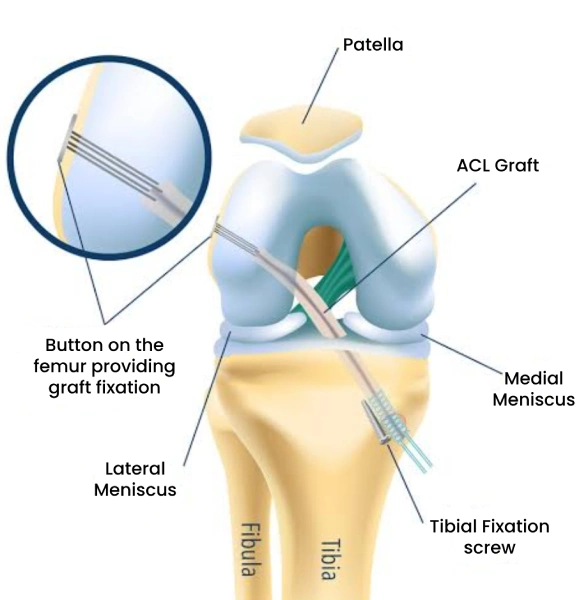
Anterior cruciate ligament (ACL) injuries are among the most common knee problems seen in active individuals. When the ligament is torn, the knee becomes unstable, making it more vulnerable to further structural damage. This is why many people consult an Orthopedic Surgeon in Kharadi soon after the injury. One major concern highlighted in long-term research is the possibility that postponing ACL reconstruction can increase both the frequency and severity of cartilage damage, particularly in the medial compartment of the knee. Understanding this relationship is essential for making informed decisions about treatment timing.
Why Timing Matters After an ACL Tear
The ACL helps the knee maintain stability during movements such as pivoting, jumping, and sudden direction changes. Once torn, the joint experiences abnormal motion patterns. If this instability continues for months or even years, the extra stress may accelerate wear on the cartilage surfaces. Medial chondral injuries refer to damage in the inner part of the knee, and these issues often progress silently until symptoms become noticeable.
Delaying treatment, therefore, does not simply prolong discomfort—it may increase the chance of permanent internal changes. Research aims to understand how long delays affect joint structures and whether early reconstruction helps preserve knee health.
Overview of the Research Approach
A long-term retrospective study was conducted to examine how delay influences cartilage damage during ACL reconstruction. The study evaluated a large group of patients over ten years. To maintain accuracy, individuals with other knee conditions such as multiligament injuries or prior surgeries were excluded. This ensured that the results reflected the impact of delay specifically related to ACL tears.
More than a thousand patients remained in the final analysis. They were divided into four groups according to how long they waited before undergoing reconstruction:
- Less than three months
- Three to six months
- Six to twelve months
- More than twelve months
During surgery, each patient’s cartilage was examined using a uniform grading system recognized internationally. This provided a reliable way to measure both the presence and severity of chondral injury.
Main Findings: How Delays Affect Medial Cartilage
1. Waiting More Than a Year Increases Damage
The study revealed that patients who waited longer than twelve months showed a noticeably higher rate of medial chondral injuries. The severity of damage also increased. This suggests that extended instability of the knee allows repetitive microtrauma to accumulate, gradually harming the cartilage.
2. Delays Under One Year Showed Variable Impact
For those who underwent reconstruction within the first twelve months, the connection between delay and injury was less clear. Although there was some risk, it was not as significant as in the group that waited beyond a year. This indicates that while shorter delays may be manageable, extended delays carry a higher likelihood of lasting damage.
3. Younger People Show a Stronger Impact
Age played an interesting role in the findings. Individuals under fifty were more likely to experience worsening cartilage health when treatment was delayed. Their higher activity levels and greater joint demands may contribute to this sensitivity.
In contrast, age fifty and above did not show a strong link between delay and increased cartilage damage. However, this does not mean the risk is entirely absent—it only indicates that lifestyle differences may influence outcomes.
4. Activity Level Shows a Protective Trend
Patients with higher pre-injury activity scores had slightly lower rates of medial cartilage damage. Staying active may help maintain muscular support around the knee, offering some stability even when the ACL is torn. However, this does not eliminate the risk entirely.
5. No Strong Association in the Lateral Compartment
Interestingly, delays did not show a major impact on the lateral side of the knee. This suggests that the medial compartment experiences more loading and stress when instability continues.
Why the Medial Side Suffers More
The medial compartment naturally bears more weight than the lateral compartment during activities like walking or running. When the ACL is torn, the knee shifts in ways that increase the load on this area. Repeated episodes of instability—no matter how small—can gradually erode cartilage.
The cartilage layer has limited healing ability, so any damage that occurs tends to accumulate. Over time, this may contribute to early degenerative changes, reduced knee function, or discomfort during activity.
Implications for Decision-Making
1. Delaying Too Long May Reduce Joint Preservation
The clear message from the study is that waiting more than twelve months may increase the risk of irreversible cartilage damage. Timely evaluation is essential to protect long-term knee health.
2. Personalized Care Is Important
Not everyone requires immediate reconstruction. Some people can manage instability through rehabilitation, strength training, or activity modification. However, those who experience repeated giving-way episodes or high physical demands may need earlier intervention.
3. Monitoring Joint Stability Helps
Even if symptoms seem mild, instability can still cause hidden damage. Regular assessments can help identify when surgical intervention might be necessary.
4. Younger Individuals Should Be Extra Cautious
Because of the higher risk seen in younger, more active patients, attention to timing is especially important for this group.
Conclusion:
This research highlights an important connection between delayed ACL reconstruction and the development of medial chondral injuries. Longer delays—especially those extending beyond twelve months—show a marked increase in both the rate and severity of cartilage damage. Understanding this relationship is crucial for individuals deciding how to manage an ACL tear. Timely evaluation and guidance can help protect long-term knee function. For anyone seeking clarity on knee stability or cartilage preservation, an Orthopedic Surgeon in Kharadi can offer insights based on current evidence and clinical experience.
FAQs :-
1. What are the risks of delaying ACL reconstruction?
Delaying ACL reconstruction can increase the risk of medial chondral injuries. An unstable knee continues to strain the cartilage, which may lead to higher rates and greater severity of damage over time.
2. Why does cartilage damage increase when ACL surgery is postponed?
When the ACL is torn, the knee loses stability. This causes abnormal movement patterns that repeatedly stress the medial compartment. Over months, this continuous micro-trauma can slowly wear down the cartilage.
3. Is waiting more than 12 months for ACL surgery harmful?
Yes. Research shows that delays longer than 12 months are strongly linked to increased medial cartilage injury. The longer the knee stays unstable, the greater the risk of structural damage.
4. Are younger or active individuals more affected by delayed ACL treatment?
Younger and more active people often face a higher risk because their higher activity levels place more load on the unstable knee, accelerating cartilage wear if reconstruction is delayed.
5. Does delayed ACL reconstruction affect both sides of the knee equally?
No. Delay mainly affects the medial side of the knee. Studies show no significant association between surgical delay and cartilage injury in the lateral compartment.